Ten nights in Tokyo across three stays — four in Shinjuku to open the trip, four near Ueno, and a final two back in Asakusa before the flight home.
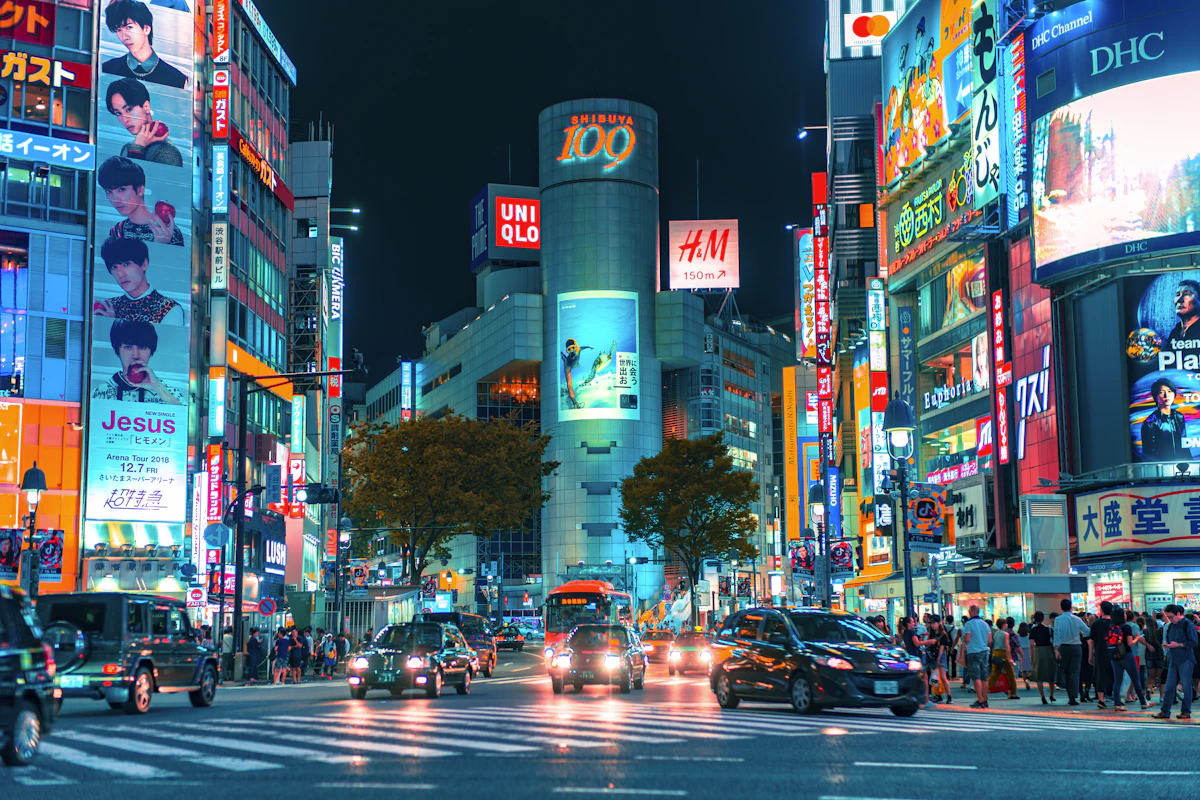
World's busiest intersection, best from Shibuya Sky's open-air rooftop at sunset.
Six tiny alleys of 200+ pocket bars. Expect 4–10 seats per bar and a small cover.
Immersive walk-through digital art — barefoot through water, mirrors, light. Book ahead.
Uni bowls, tamago skewers, grilled scallops, and a cheap sushi breakfast worth the early start.
Tokyo's most important shrine, hidden in forest beside Harajuku. Pair with Omotesando.
Tokyo's oldest temple. Kaminarimon lantern, Nakamise-dori. Do it at dawn from the villa.
Anime, manga, retro arcades, maid cafés, Super Potato's floors of vintage consoles.
Tallest tower in the city (634m). Better on clear days than Tokyo Tower.
Smoke-soaked alley of yakitori and late-night ramen under the Yamanote tracks. Cash only.
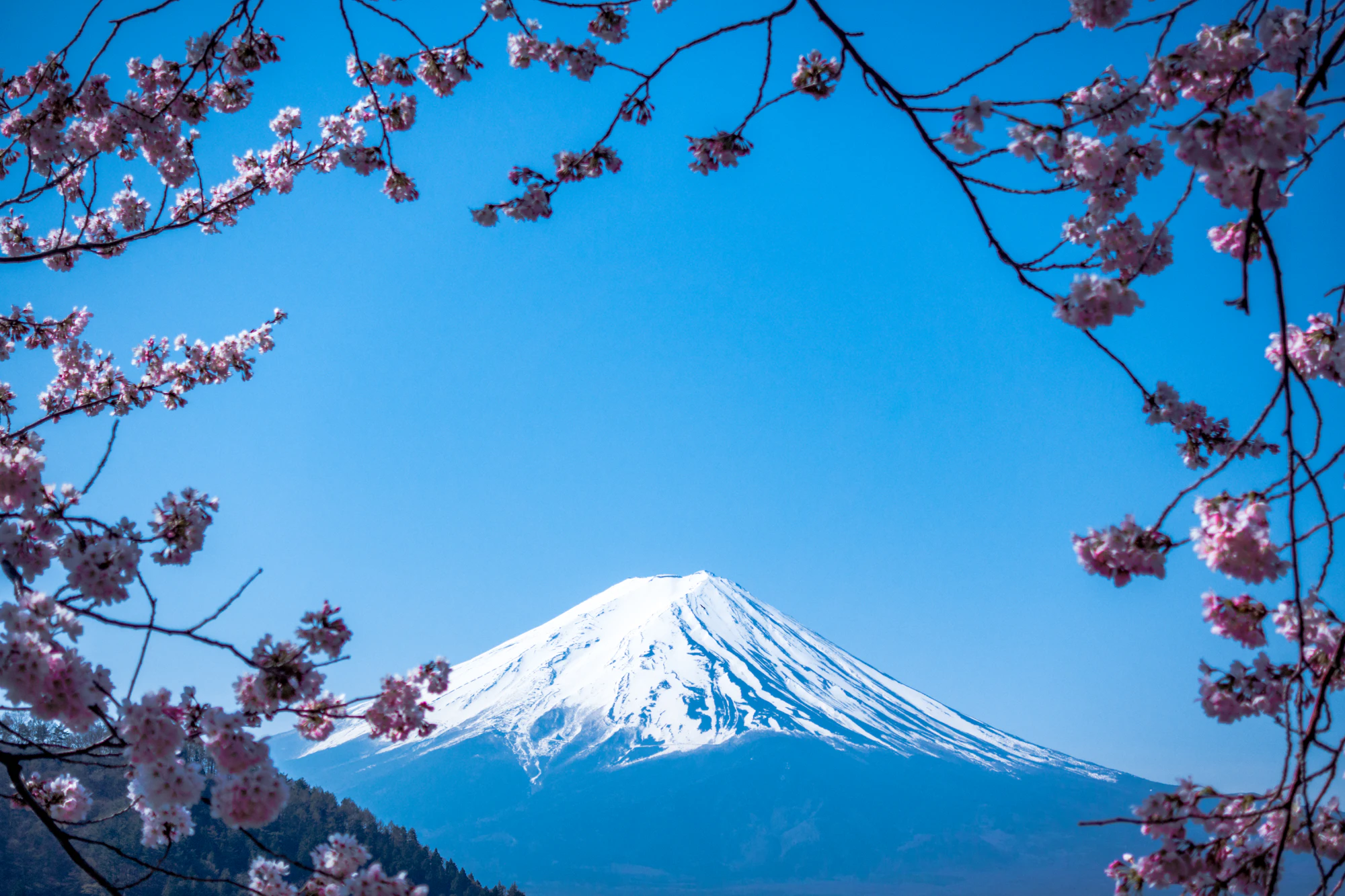
Mt Fuji views over Lake Ashi, pirate-ship cruise, ropeway over Owakudani, and the best onsen ryokan. Odakyu "Hakone Free Pass" covers it all.
UNESCO shrines in cedar forest — Toshogu (Tokugawa burial site), Kegon Falls, Lake Chuzenji.
Great Buddha (11.4m bronze), Hase-dera temple, surf-side beach, and the Slam Dunk crossing.
Japan's second city — Chinatown, Cup Noodle Museum, Sakuragicho waterfront, Minato Mirai at night.
Six nights at Fabrica Kyoto — a two-bedroom apartment with an open-air bath in Kamigyo Ward. The city of shrines and temples.
Ten thousand red torii up a forested mountainside. Go pre-8am to actually walk them without crowds.
Three-storey zen temple clad in gold leaf, mirrored in a still pond.
Walk through towering bamboo, cross Togetsukyo Bridge, climb to the monkey park, end at Tenryu-ji.
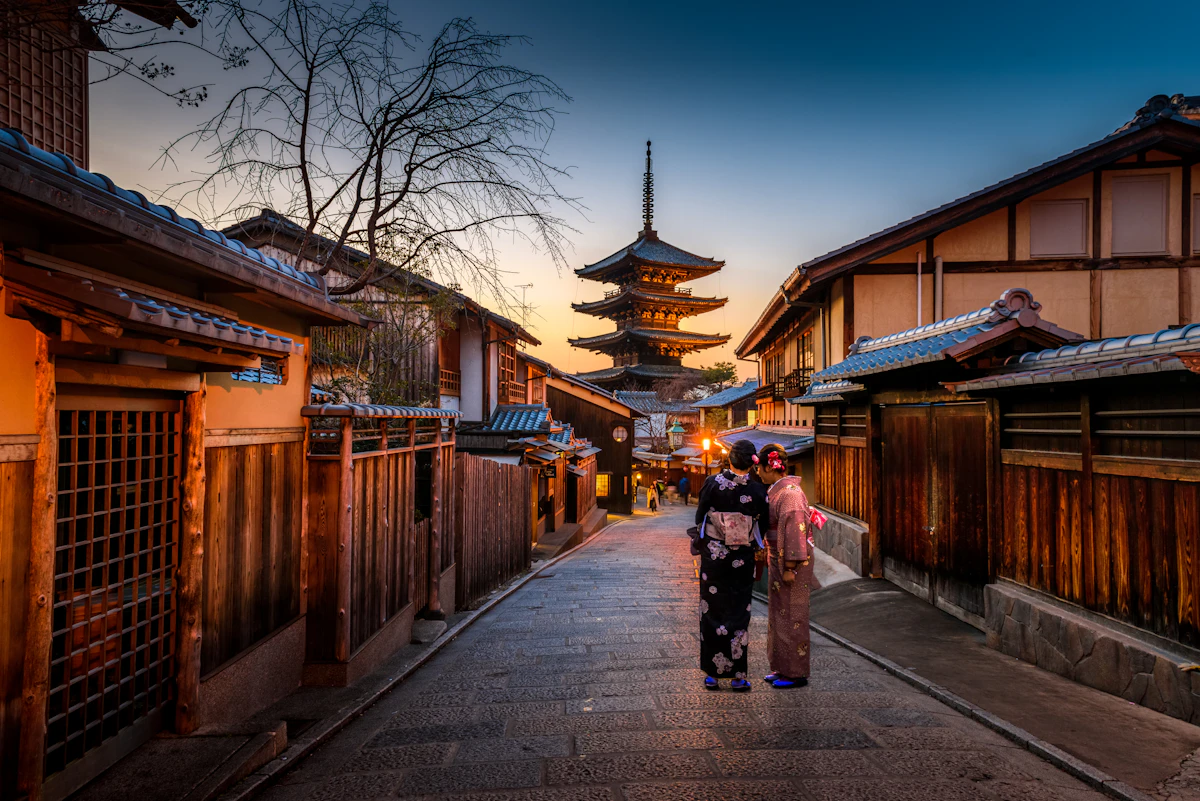
Geisha district at dusk — wooden machiya, lantern-lit alleys, occasional geiko/maiko en route.
"Kyoto's kitchen" — tsukemono, tofu, wagashi, soy milk doughnuts, skewered scallops.
Wooden stage temple on the Higashiyama hillside. Walk down Sannenzaka and Ninenzaka.
2km canal walk from Ginkaku-ji to Nanzen-ji, lined with cherry trees and quiet temples.
17th-century shogun residence with "nightingale floors" that squeak when walked on.
The most famous karesansui in Japan — 15 stones; only 14 visible from any single angle.
Tame bowing deer, Todai-ji's Great Buddha Hall, and Kasuga Taisha with thousands of stone lanterns.
Japan's finest surviving feudal castle — bright white, never destroyed, UNESCO listed. Combine with Koko-en Garden.
Birthplace of Japanese matcha — Byodo-in (¥10 coin temple), tea-farm tours, and everything green.
Mountain village north of Kyoto. Hike over Mt Kurama to Kibune, eat on platforms over the river.
Six nights at Sauna Villa Osaka, ten minutes from Shitennoji Temple. Japan's food capital — and an actual sauna after a week of shrines.
Neon canal district — Glico sign, giant moving crab, takoyaki and okonomiyaki at every turn.
"Osaka's kitchen" — 600m of fresh seafood, wagyu skewers, uni, fugu, fruit. Best before 2pm.
Reconstructed main tower in a moated park. Grounds free, tower museum worth ¥600.
Super Nintendo World, Harry Potter, Jurassic Park. Full-day. Express Pass or arrive at opening.
Floating garden observatory between twin towers — best skyline view, especially at sunset.
Japan's oldest officially administered temple (593 AD). 10 min walk from the villa.
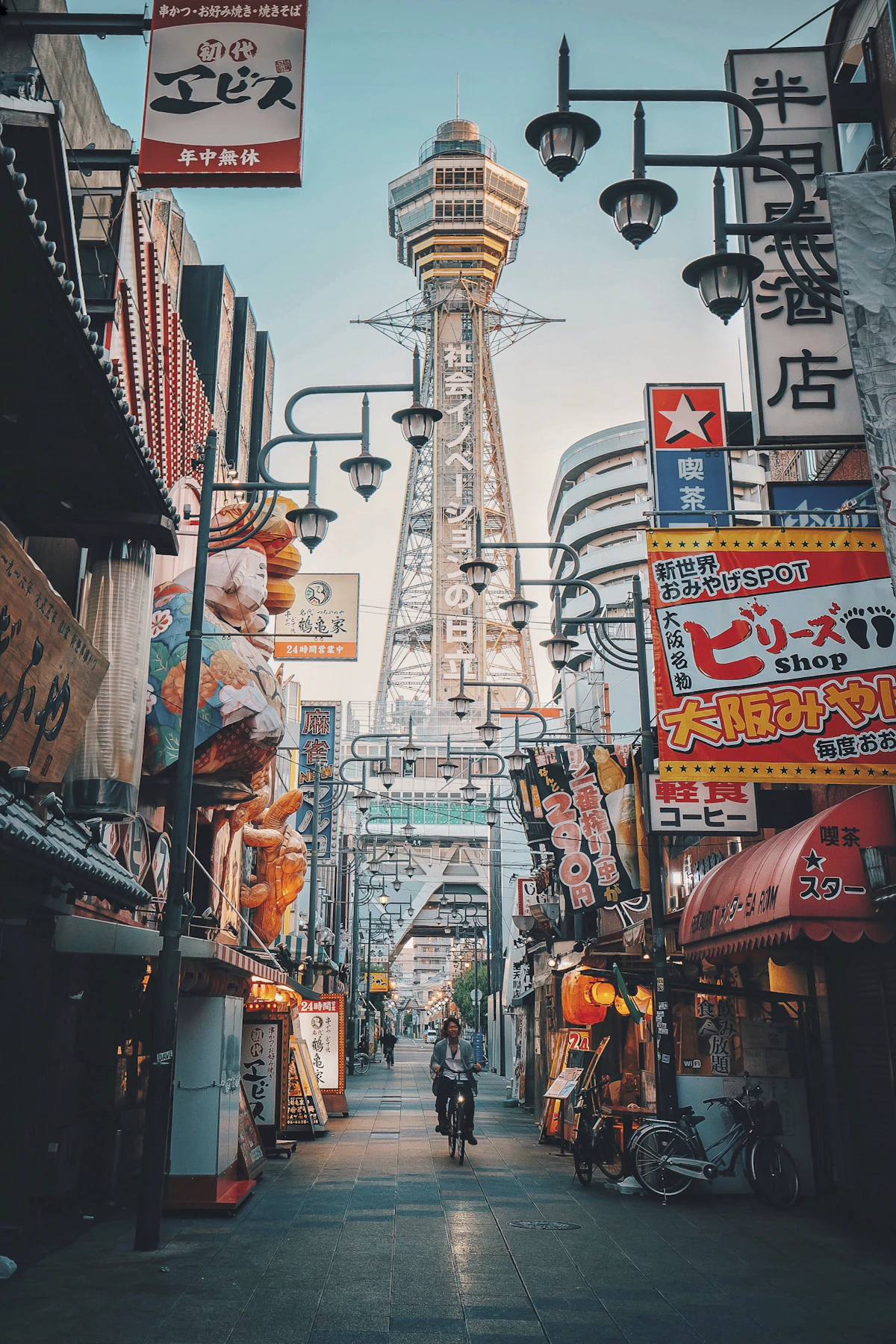
"New World" — a 1900s throwback district. Kushikatsu, arcade games, the old Tsutenkaku tower.
600m covered shopping arcade north from Dotonbori — department stores, Uniqlo, Don Quijote.
Osaka-style (cabbage mixed through the batter) at Mizuno or Chibo in Dotonbori.
Shingon Buddhist mountain temple complex. Stay overnight in a shukubo, eat shojin cuisine, attend dawn meditation, walk Okunoin cemetery at night.
Kobe beef at source. Steakland or Mouriya for the full teppanyaki moment. Pair with Kitano-cho and Harborland.
3km forest walk to a 33m waterfall. Quiet, green, a proper antidote to Dotonbori. Try the deep-fried maple leaves.
Japan's finest castle — 35 min shinkansen from Shin-Osaka (closer than from Kyoto).
Both legs on a single Qantas PNR — FC7BIS. Direct Melbourne to Tokyo Narita on the A330. Outbound is a morning flight; return is the overnight.
The practical bits — how we get around, what to pack, which apps to install, a handful of phrases, and who to call if something goes sideways.
Tap-and-go cards for trains, subways, buses, konbini. Add a Mobile Suica to Apple Wallet before you leave — top up with a credit card, no queues.
From Narita T2 to Shinjuku on arrival (9 Jun, late evening): Narita Express (N'EX) is fastest — about 80 min, ¥3,250. Buy at the JR counter on arrival.
Download Smart-EX for reserved seats on the Tokaido Shinkansen. Book the night before, pay by card, tap your IC card at the gate.
Mid-late June is tsuyu — warm, humid, intermittent rain, 22–28°C. The final week tips into full summer: 28–33°C, 70%+ humidity.
Toiletries, basic clothing, snacks and SIM cards are all easy to buy. Don Quijote and konbini have everything.
Electrolyte sachets for the hottest days, a sweat towel (everyone carries one), sunglasses, refillable water bottle — stations have free cold water points.
Hyperdia was great, and is now retired. Anything pointing you there is stale — use Jorudan or Google Maps.
Most konbini, hotels, chains and bigger restaurants take cards — but ryokan, small izakaya, temples, shrines, markets and some small eateries are cash only. Carry ¥10,000–¥20,000 at all times.
7-Eleven and Japan Post ATMs take every foreign card. Open 24/7 inside most konbini. Max ~¥100,000 per withdrawal.
Don't. It can genuinely offend. Exceptional service is the standard.
Remove shoes when entering ryokan, some izakaya, temples, private homes. Look for a step up, slippers, or shoes already off.
Public bins are rare. Eat on the spot or carry rubbish with you. Konbini usually have bins inside or near the door.
Shower and rinse thoroughly before entering. No swimwear. Towel stays outside the water — on your head or beside the tub.
2-1-14 Mita, Minato-ku, Tokyo 108-8361
+81 3 5232 4111 — 24-hour consular line.
Everyone needs a policy before departure. Save policy number and claims line in your phone and write them down offline.
Report lost/stolen passports to the Australian Embassy in Tokyo. Keep a photo of the ID page on your phone, and a printout separate from the passport itself.